
Import and Export Services
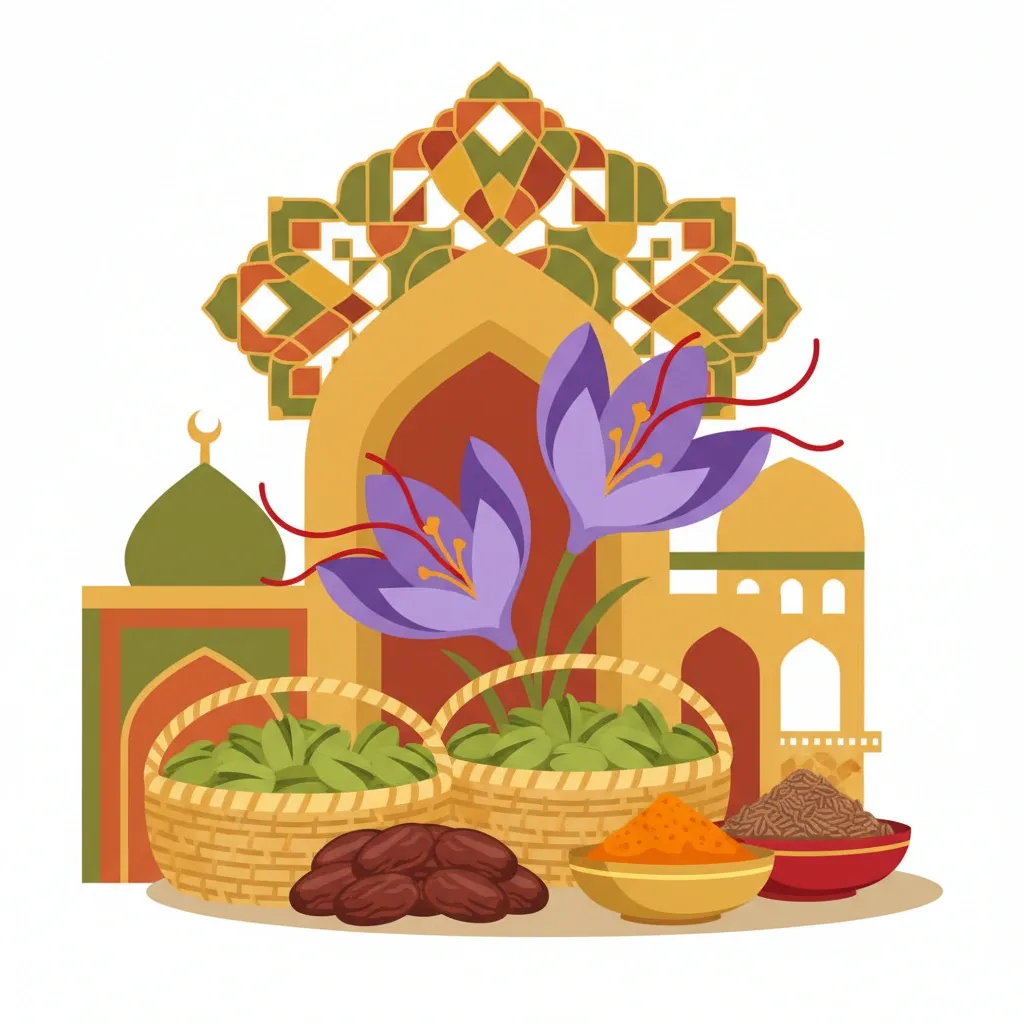
Iran, with its diverse climatic conditions and fertile soil, is one of the most important producers of dried fruits, spices, and saffron in the world. These products not only hold a high economic and cultural status within the country, but are also recognized globally as symbols of quality and authenticity. Iran’s biodiversity, which includes mountainous, desert, and semi‑humid regions, enables the cultivation of a wide range of high‑quality agricultural products. The share of these products in Iran’s non‑oil export portfolio has become particularly significant in recent years, as attention to economic diversification has increased. Focusing on enhancing the added value of these products through processing and branding is the key to long‑term success in global markets.
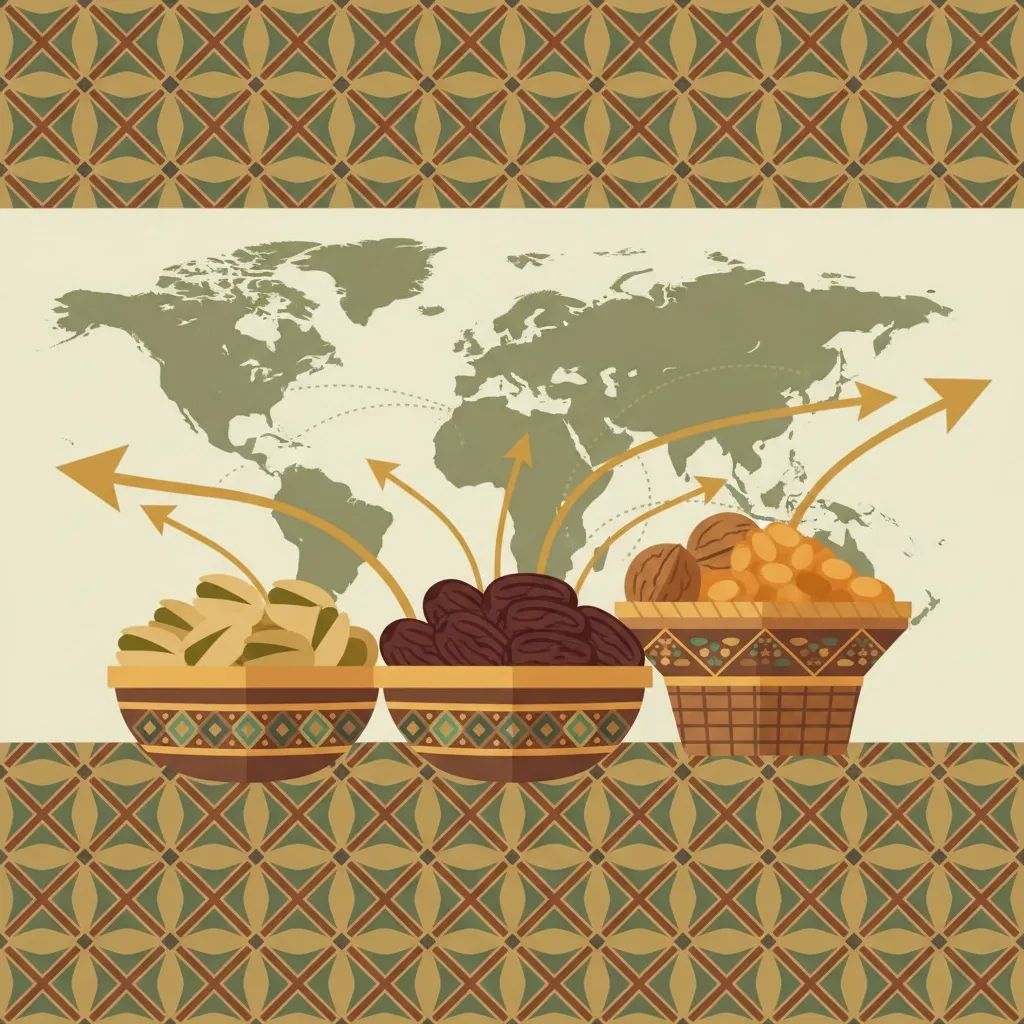
Dried fruits represent one of Iran’s most traditional and valuable export categories, encompassing pistachios, almonds, walnuts, raisins, dates, and hazelnuts. These products are not only a major source of foreign exchange revenue but also a living symbol of the country’s agricultural richness and centuries‑old farming heritage.
Iranian pistachios, especially those from Kerman Province (notably Akbari, Ahmad Aghaei, and Kaleh‑Ghochi varieties), enjoy a global reputation for superior flavor and texture. They form a major pillar of Iran’s non‑oil export earnings, keeping the nation in constant competition with the United States for global market leadership.
Key Statistics:
Iran’s pistachio output typically fluctuates high‑yield years. Most exports go to China, the European Union, and Russia.
Almonds and Walnuts:
Play a significant role in exports but face water‑resource constraints and stiff international competition. Introducing modern orchards and drought‑resistant varieties can improve their long‑term productivity and stability.
Raisins:
Iran ranks among the largest global producers. High‑quality varieties—particularly shade‑dried (sayeh‑dried) and acid‑dipped (tizabi) raisins—are widely sought in Asian markets for their uniform color and sweetness.
Dates:
Despite immense potential, the export performance of Iranian dates such as Mozafati and Kabkab has not reached its full capacity due to fragmented packaging and processing standards. Standardization and branding represent key levers for unlocking this sector’s global growth.
In summary, dried fruits continue to serve as a cornerstone of Iran’s non‑oil export portfolio, blending traditional craftsmanship with modern trade prospects — a tangible manifestation of the slogan
“From Iran to the World — Ambassador of Trust and Quality.”
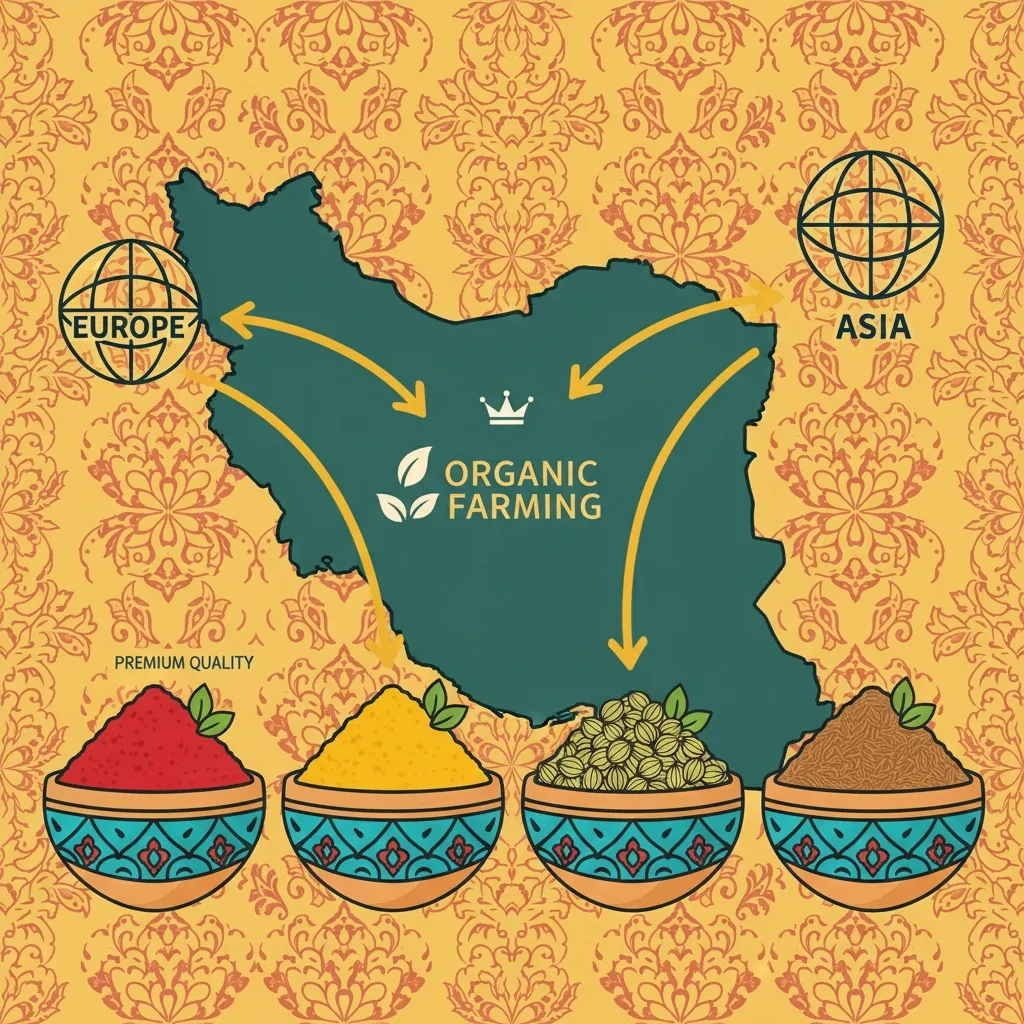
Spices are one of the most valuable non‑oil export commodities of Iran, combining tradition, aroma, and medicinal heritage. From saffron, cumin, turmeric, and coriander to fenugreek, sumac, and dried herbs, Iran’s diverse climate—from dry deserts to humid northern plains—creates ideal conditions for producing high‑quality aromatic plants.
Spices have dual value:
Iran is among the world’s largest producers of saffron and cumin, with strong potential in expanding exports of turmeric and herbal blends if processing standards and packaging quality improve.
To unlock higher export volumes and margins:
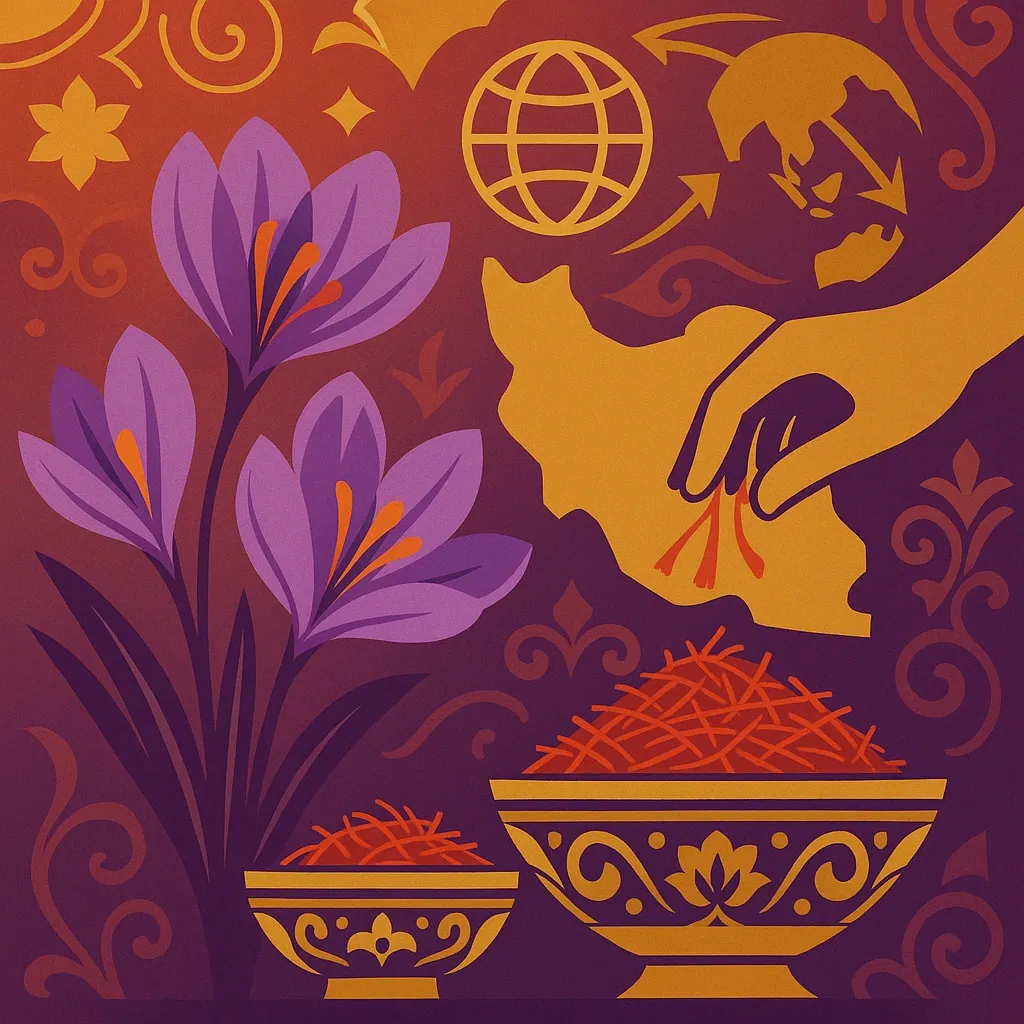
Saffron is the most valuable agricultural export of Iran, known not only as a culinary spice but also as a traditional medicine and natural colorant. Its unique combination of color, aroma, and flavor makes it one of the world’s most coveted commodities and a symbol of Iran’s agricultural mastery.
Iran produces more than 90 percent of the world’s saffron, maintaining unmatched supremacy in global markets over the past decade. The main production centers are the provinces of Khorasan Rezavi and South Khorasan, particularly the counties of Gonabad, Torbat‑e Heydarieh, and Qaen.
Iranian saffron is distinguished worldwide for its high levels of crocin (color), picrocrocin (flavor), and safranal (aroma). These three components form the basis for quality classification under ISO 3632 international standards.
The price difference between premium saffron (Negin or Sargol grades) and bulk or low‑grade saffron is substantial. Premium grades can reach several thousand USD per kilogram, while bulk saffron trades at a fraction of that.
Packaging and Branding Issues
A major structural challenge is the dominance of bulk exports: large volumes of Iranian saffron are bought by foreign intermediaries, repackaged abroad, and sold under non‑Iranian brands. This pattern deprives the national economy of significant value‑added and brand equity that rightfully belong to Iran.
Despite its global production dominance, the Iranian saffron industry faces persistent strategic obstacles:
Bulk Export Dependence
Prevents full capture of branding‑based profit margins and weakens global consumer recognition.
Lack of a Unified National Brand
Absence of a coordinated branding strategy representing Iranian origin and premium quality limits market leverage.
Smuggling and Re‑export Fraud
Illegal transfer of saffron to neighboring countries (notably Afghanistan and Pakistan) and subsequent re‑export to global markets under foreign labels undermines Iran’s credibility and market share.
Storage and Preservation Standards
Saffron requires rigorously controlled humidity and temperature conditions to prevent degradation in crocin and aroma compounds; weak compliance results in quality loss.
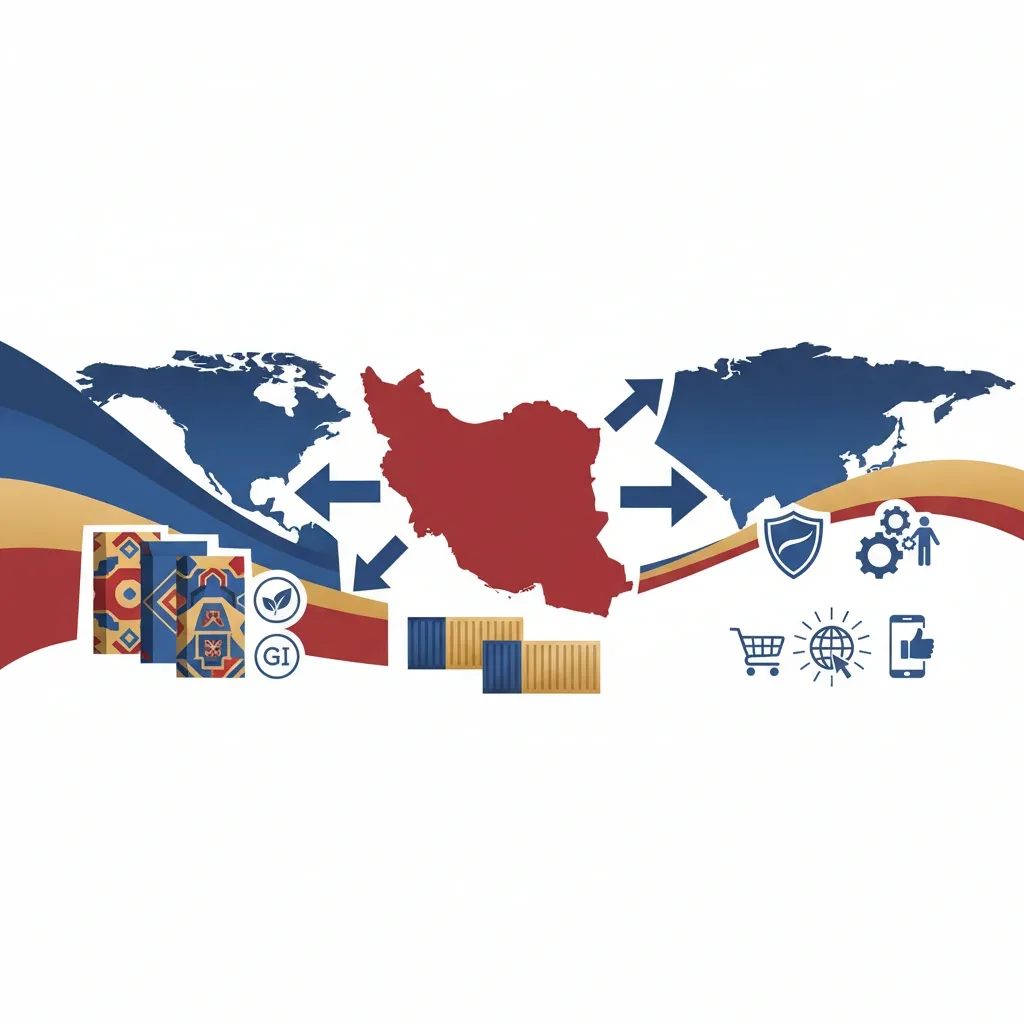
Export growth serves as the foundation of long‑term economic resilience in Iran’s non‑oil sectors. With rich natural resources, skilled human capital, and geographic access to multiple regional markets, Iran holds vast potential for expanding its export footprint—particularly through companies like Safir Norooz Mandegar, which bridge producers and global buyers.
1.1. Regional Market Integration
1.2. Product Diversification
Expanding beyond traditional commodities (dried fruits, saffron, petrochemical outputs) into high‑margin processed goods such as flavored nut mixes, herbal extracts, and organic spice blends increases brand resilience and earnings stability.
1.3. Digital Transformation
1.4. Green and Sustainable Export Development
Global demand is rising for eco‑certified goods. Compliance with sustainability standards (e.g., carbon footprint labeling, recyclable packaging) gives exporters premium access to European and East‑Asian markets.
2.1. Branding and Packaging Revolution
2.2. Quality Certification and Standardization
2.3. Logistics and Financial Facilitation
2.4. Governmental and Institutional Support
2.5. Training and Human Capital Development
Safir Norooz Mandegar can leverage these opportunities through:
Relying on extensive experience in international trade and a profound understanding of global market dynamics, Safir Norooz Mandegar offers specialized export services for Iranian dried fruits, spices, and saffron to diverse destinations worldwide. The company’s mission is to present the authenticity and premium quality of Iran’s agricultural products on the global stage while helping expand the country’s export share across international markets.
Through a reliable and well‑structured supply chain, Safir Norooz Mandegar exports selected premium products—including pistachios, walnuts, almonds, raisins, dates, and assorted dried‑fruit derivatives. Each shipment meets global health, safety, and packaging standards, assuring consistent quality and traceability from farm to consumer.
Representing the finest domestic producers, the company takes pride in supplying and exporting pure Iranian saffron, along with cardamom, cinnamon, pepper, turmeric, and other high‑value spices to European, Asian, and Arab markets. Every stage—procurement, quality control, export‑grade packaging, international transport, and customs clearance—is supervised by Safir’s expert trade department.
Safir Norooz Mandegar places utmost focus on product quality, brand credibility, and global customer trust.
The company believes that successful export is not merely the transfer of goods—it is the presentation of culture, craftsmanship, and the inherent values of Iranian production to the world.