
Export and Import Services
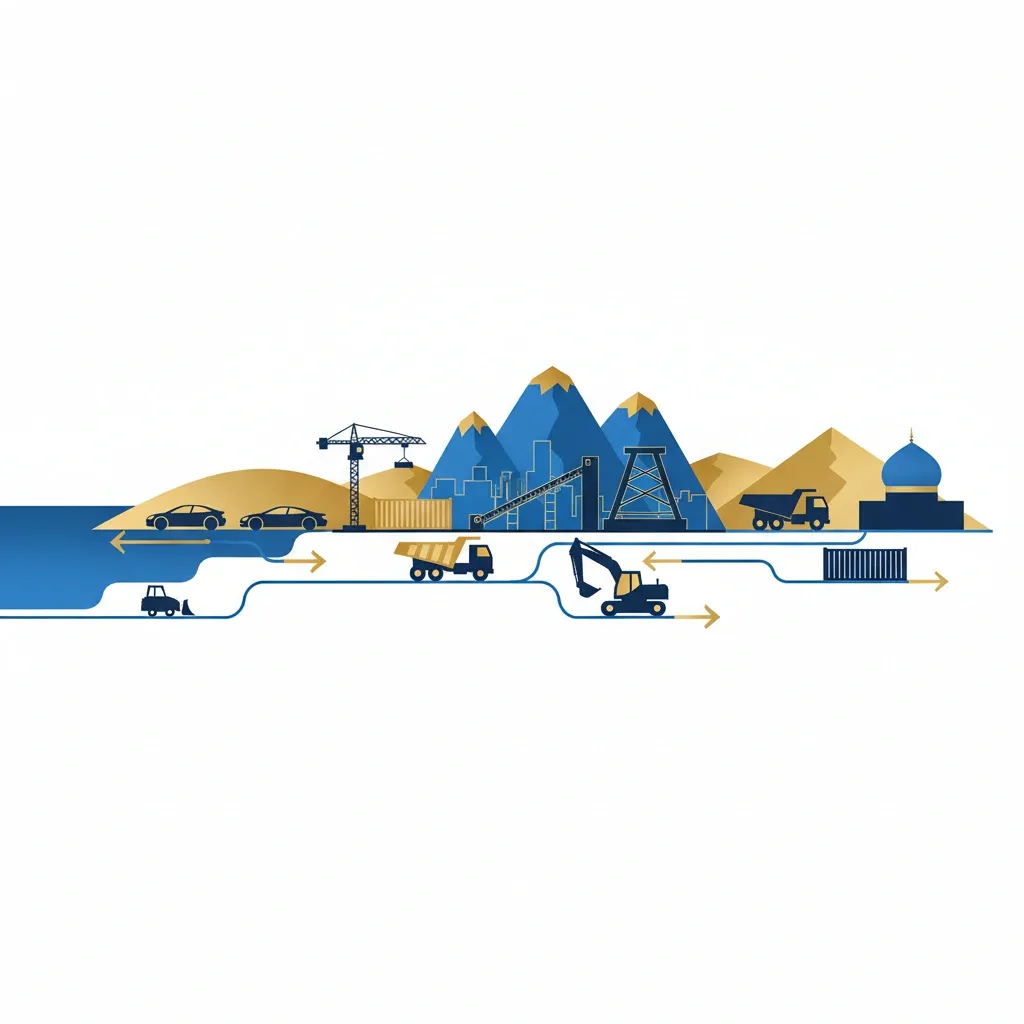
The import of automobiles and heavy machinery represents one of the most critical sectors of Iran’s foreign trade, exerting a direct influence on numerous industries—particularly transportation, construction, and mining. This field acts as a vital lifeline for modernizing physical infrastructure and improving productivity across both the manufacturing and service sectors.
Given Iran’s unique economic conditions, the impact of international sanctions, and ongoing currency restrictions, the import process and policies in these domains have undergone significant transformations and complexities. A comprehensive analysis of the current situation requires a careful examination of governmental protective measures aimed at supporting domestic production, while simultaneously addressing the urgent market demand for advanced and up‑to‑date equipment.
This article will thoroughly explore the state of imports in these two closely linked yet distinct areas, outline the key challenges, and identify potential opportunities for sustainable growth and modernization within Iran’s industrial and economic landscape.
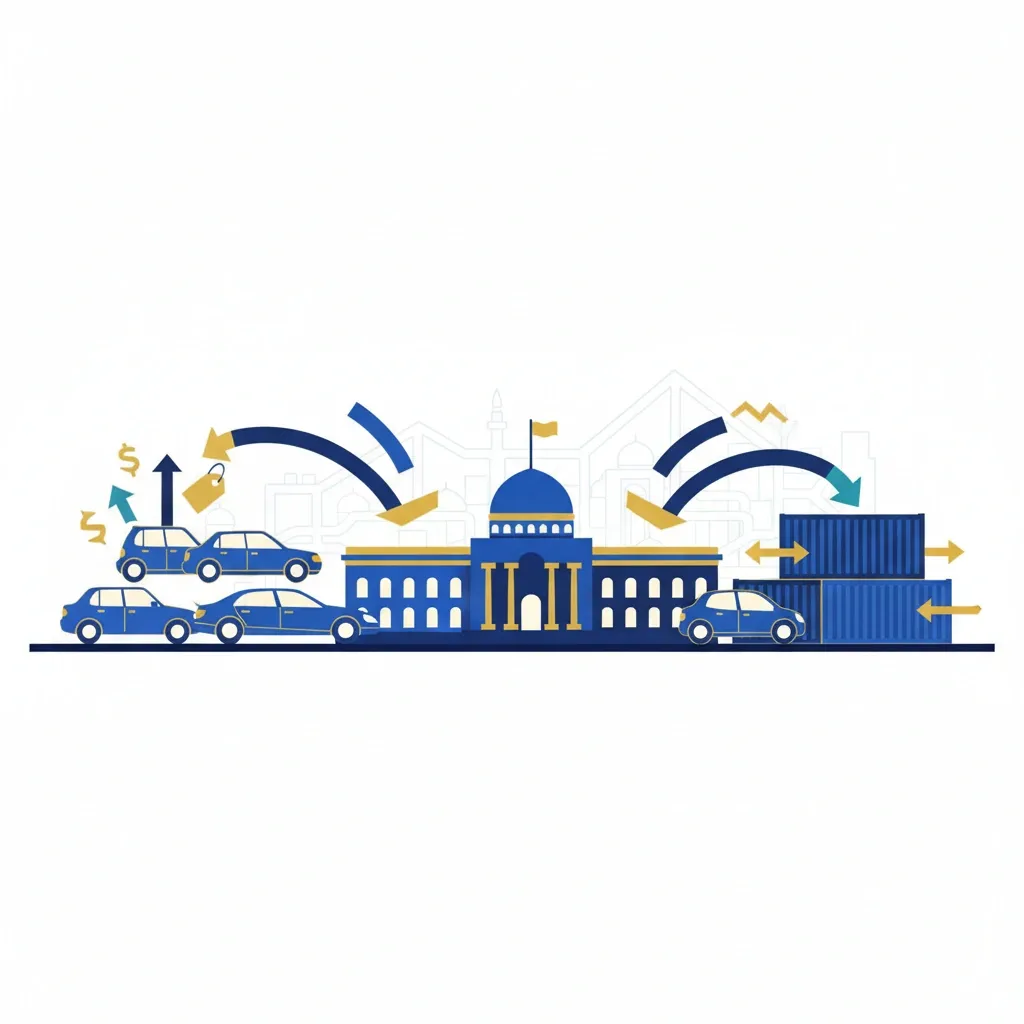
Iran’s car market has always been influenced by the government’s interventionist policies; this influence has intensified in recent years due to foreign currency management.
Import Restrictions and Their Impact on the Market
Following the government’s efforts to preserve foreign exchange reserves and support domestic automakers, strict policies were imposed on car imports. These restrictions have led to a sharp decline in import volumes in recent years.
Impact on Price and Supply: The reduction of official imports has caused a sharp increase in demand for existing vehicles in the market, resulting in a surge in prices. This situation has made it difficult for the middle class to access high-quality cars.
Foreign Currency Targeting: The allocation of preferential currency for importing luxury cars was effectively halted, and imports became conditional upon securing currency from non-oil exports or from the importer’s own export revenues.
Periods of Liberalization and Limited Imports
At certain times, in order to regulate the market, control inflation, and respond to public dissatisfaction, the government allowed limited car imports. Such imports generally came with specific conditions:
Imported cars are generally supplied from Asian brands (South Korea, China, and Japan) as well as some European models. They mainly occupy the luxury and semi-luxury segments of the market, where access is limited due to extremely high prices.
Future of Car Imports: Green Vehicles
The urgent need to reduce fossil fuel consumption and air pollution—especially in the country’s major cities—has driven the government and parliament toward formulating strategies to facilitate the import of more advanced-technology vehicles.
Electric Vehicles (EV) and Hybrid Vehicles (HEV): Plans have been proposed to offer tariff exemptions and simplify the registration process for these types of vehicles. This can gradually increase their share in the transport fleet and optimize energy consumption.
Charging Infrastructure: The import of electric vehicles requires simultaneous investment in the development of charging infrastructure, which itself demands comprehensive planning in the energy and urban sectors.
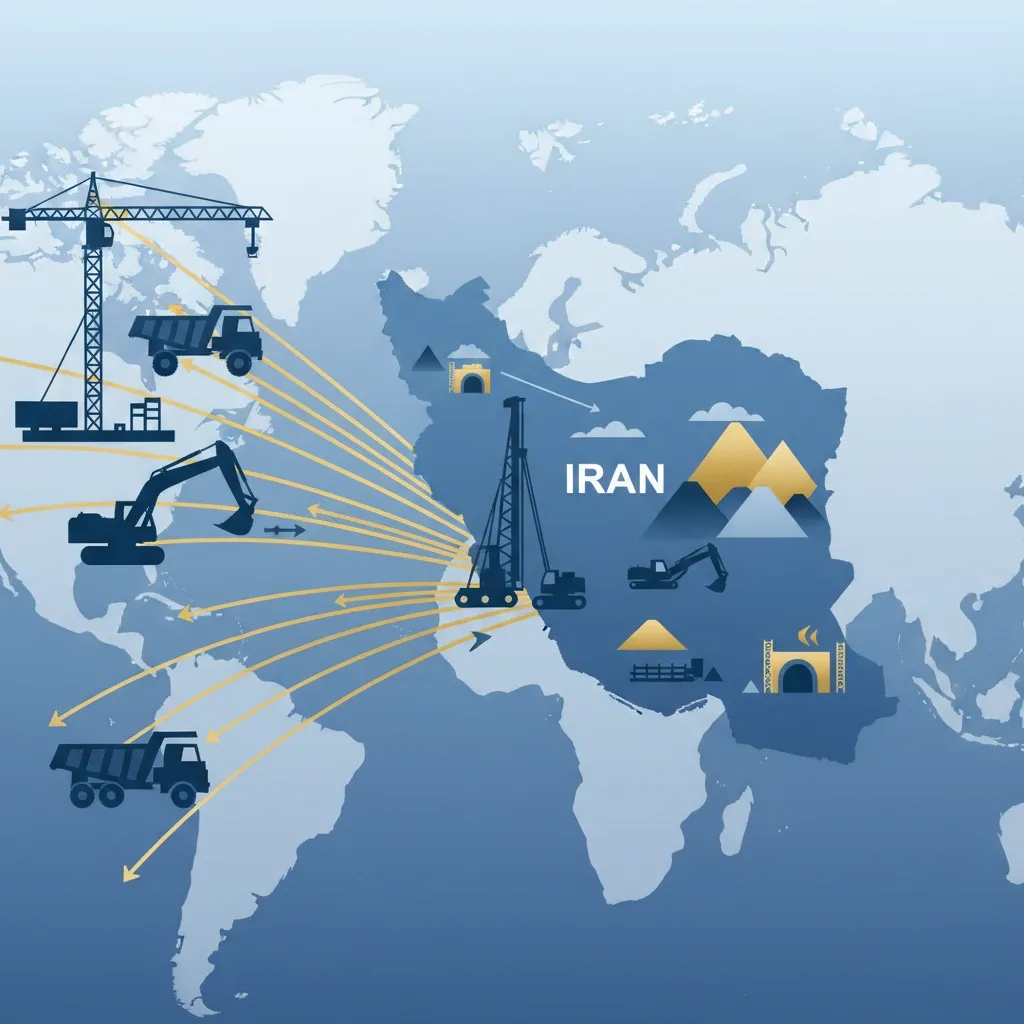
Heavy machinery is the lifeline of infrastructure projects and natural resource exploration. The need for modern and efficient equipment in the construction and mining sectors is undeniable.
Heavy machinery encompasses a wide range of equipment whose performance directly affects project timelines and overall costs:
Given Iran’s vast geography and rich mineral reserves, the country requires a considerable level of such equipment. These machines are mainly sourced from industrially advanced nations such as China, Germany, Japan, and South Korea. Due to their higher efficiency and longer lifespan, they offer strong economic justification despite their high initial costs.
Despite the urgent need, importing these machines faces several obstacles that slow down the modernization of the industrial fleet:
Currency and Tariff Issues: The high cost of foreign currency (especially at the NIMA or free-market rates) significantly increases the final price of equipment. Additionally, import tariffs are sometimes imposed to protect domestic products — though local production in the heavy machinery sector remains limited.
Spare Parts and After-Sales Service: One of the biggest concerns for operators is consistent access to original spare parts. Sanctions and customs complexities often disrupt timely imports, causing prolonged machine downtime and thus reducing productivity across construction and mining operations.
Fleet Obsolescence: In many government and contractor projects, the equipment in use is outdated. The inability to renew fleets quickly reduces efficiency and increases fuel consumption. If the rate of depreciation and replacement (renewal) of equipment is related to productivity, the relationship can be illustrated as:
Productivity ∝ (Technology Level & Machine Age) / (Downtime Due to Failure)
The government and the Ministry of Industry, Mine, and Trade are striving to reduce long-term dependency on imports by strengthening domestic manufacturing capacity.
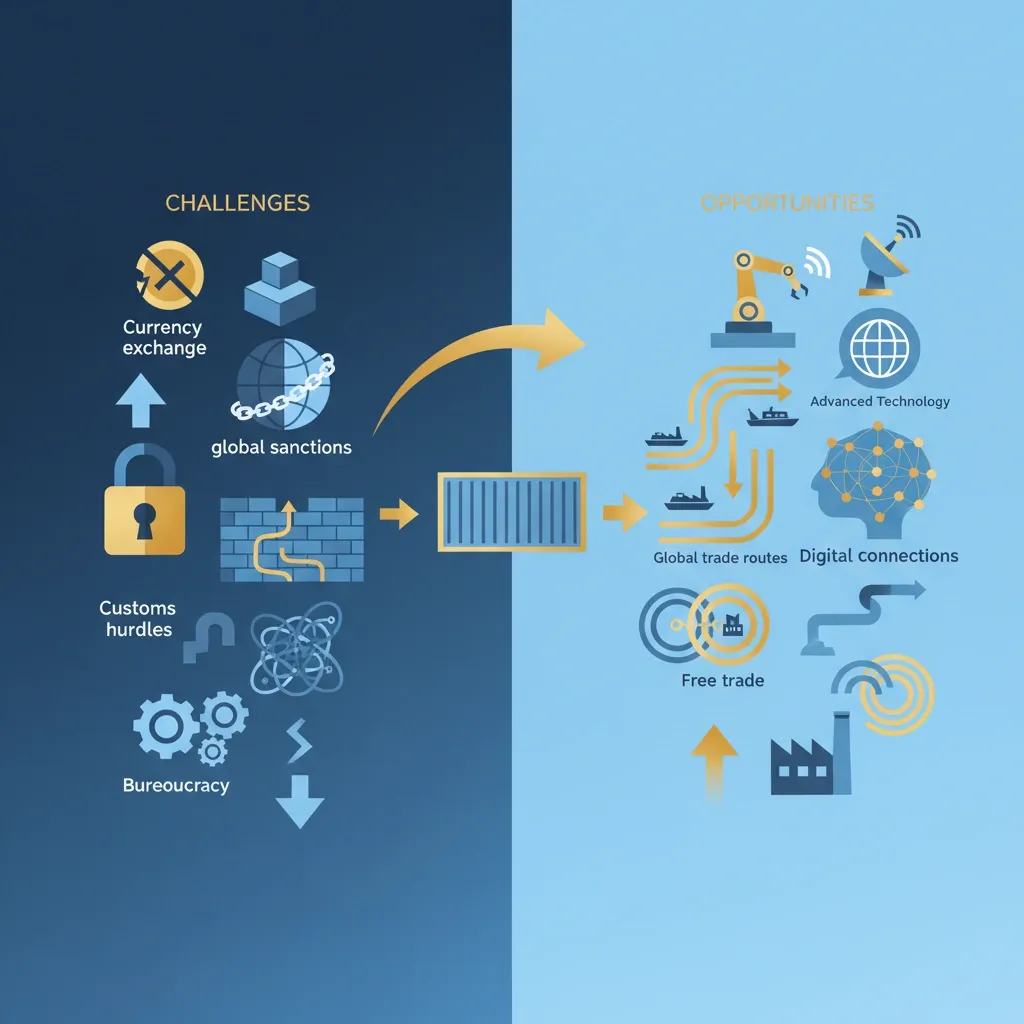
Despite their strategic importance, imports in automobiles and heavy industrial machinery are hindered by intertwined structural, financial, and regulatory constraints. These challenges require targeted policy reforms to enable technology transfer, cost efficiency, and consistent industrial growth.
Exchange Rate Volatility
Continuous fluctuations in the foreign exchange market make long‑term planning nearly impossible for both buyers and importers. Every shift in currency value directly impacts the final cost of goods, distorts pricing models, and complicates international contract negotiations.
Banking and Financial Sanctions
Restrictions on global financial transactions slow down payment processes to foreign suppliers and increase intermediary dependency. Each additional layer in these financial chains raises transaction costs and erodes competitiveness in high‑value imports such as automobiles and heavy machinery.
Customs Regulation and Standardization Barriers
Extended and inconsistent customs clearance procedures—combined with excessive scrutiny over technical certifications—lead to prolonged clearance times and higher warehousing expenses. For machinery imports, even minor documentation delays can translate into costly project downtime.
Technical Licenses and Regulatory Fragmentation
The lack of streamlined standards or digital databases forces importers to repeat certification processes for products already inspected or approved under international norms. This redundancy drives inefficiency and weakens investor confidence.
Technological Advancement and Automation
The introduction of AI‑powered intelligent machinery and energy‑dense electric vehicle batteries provides Iran with a pathway toward modernization. If import channels are stabilized, such technologies can lead to automatic mining operations, smarter logistics, and greener urban transport.
Leveraging Free Trade and Special Economic Zones (FTZs)
Efficient use of free trade zones enables smoother import operations, warehousing, and after‑sales maintenance. They can also serve as assembly and re‑export hubs, minimizing bureaucratic delays and optimizing foreign currency flow.
Regional Trade Integration and Preferential Agreements
Strategic engagement with countries under preferential trade frameworks—including the EAEU (Eurasian Economic Union), ECO, and SCO—can open alternative corridors for both commodity and currency exchange. These frameworks may reduce costs by lowering tariffs and facilitating direct supply chains.
Digital Transformation in Customs and Import Management
Implementation of electronic customs clearance, blockchain‑based product traceability, and unified online licensing systems would drastically cut both time costs and informational asymmetry, building trust among foreign partners.
To strengthen Iran’s position in global trade, policy coherence and technological facilitation are essential. Stabilizing the foreign exchange system, digitizing customs operations, and activating regional trade capacities form the backbone of a sustainable import strategy.
By aligning financial infrastructure with modern technology and preferential trade frameworks, companies like Safir Norooz Mandegar can transform existing challenges into a structured, data‑driven advantage—elevating Iran’s participation in the global machinery and automotive supply networks.
Safir Norooz Mandegar Trading Company — with years of experience in international trade and specialized logistics — provides comprehensive, integrated services in the import of passenger vehicles, industrial fleets, and heavy construction & mining machinery from the world’s most reputable brands.
With in‑depth knowledge of the transportation, construction, and mining industries, Safir Norooz Mandegar manages the entire import process — from brand and model selection to procurement, transportation, customs clearance, and final delivery — precisely and in full compliance with international and Iranian customs standards.
The company’s core focus is on quality assurance, product authenticity, and regulatory compliance, ensuring clients can invest with complete confidence.
Backed by a professional team skilled in global supply chain management (SCM) and strengthened by direct partnerships with certified manufacturers, the company facilitates the import of a wide range of specialized equipment, including:
As a trusted bridge between major international suppliers and Iran’s construction and mining sectors,
Safir Norooz Mandegar is committed to delivering precise, secure, and cost‑efficient import operations through:
Combining professionalism with reliability, the company ensures that every import meets world‑class performance benchmarks — helping Iranian industries move toward modernization and global integration with confidence.